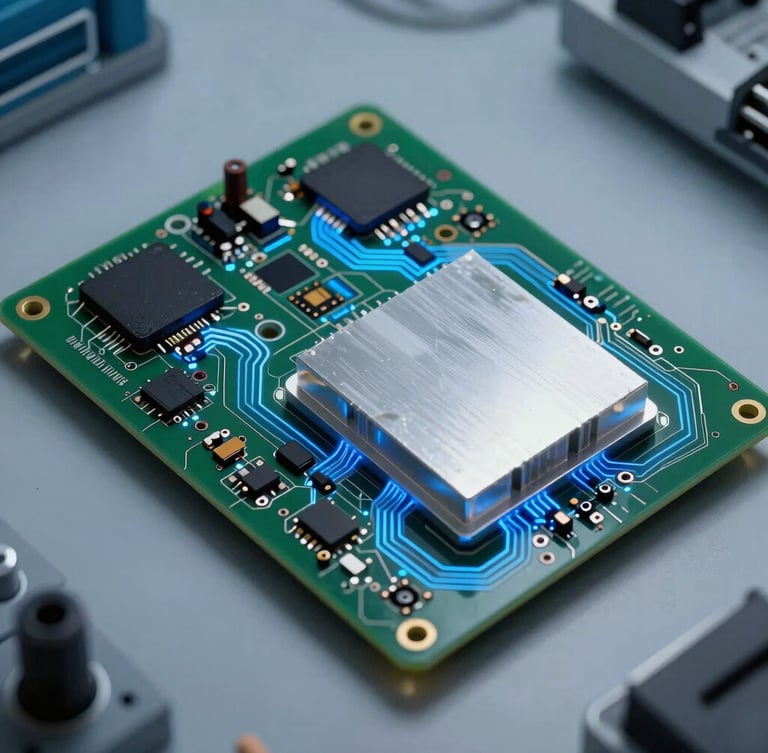
Pulse Reverse Power Topologies
Engineered for microsecond-range polarity switching speeds. Our topologies utilize parallel GaN devices to handle extreme transients during high-frequency electrochemical deposition.
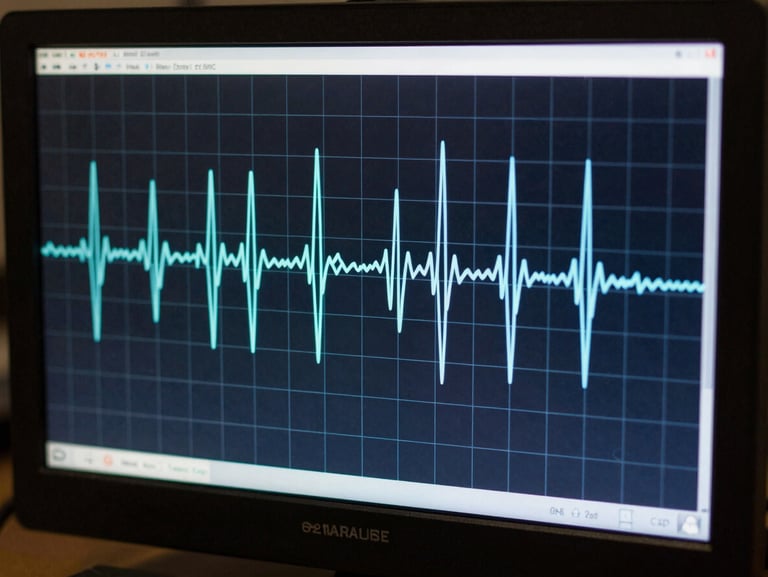

Microsecond Polarity Switching
Designed specifically for advanced material research and industrial electroplating. We eliminate thermal bottlenecks through direct integration of SiC MOSFETs and optimized copper busbars.
Switching Performance
Achieve sub-microsecond transient responses under full load. Our embedded microcontrollers execute real-time current monitoring to prevent overshoot during high-frequency cycles.
Output current ranges from 100A to 2000A continuous, with reverse-pulse ratios fully programmable via Modbus or Ethernet interfaces.
Engineered for Extreme Physics
Parallel GaN Stages
Embedded Platforms
Ruggedized Enclosures
Distributed thermal load across multiple GaN devices prevents localized hotspots, ensuring continuous operation at maximum current density.
High-speed microcontrollers calculate duty cycles in real-time, delivering predictable transient responses even during rapid load impedance shifts.
Chassis are milled from solid aerospace-grade aluminum, providing both structural integrity and integrated liquid or forced-air cooling paths.
Submit Electrical Parameters
Provide your voltage, current, and switching frequency requirements. Our power electronics engineering team will review your thermal envelope constraints and respond with a custom topology proposal.